Our Order

Rooted in prayer and service, our communities follow the vision of St. Norbert – bringing Christ’s light to every corner of the world.

Our Order

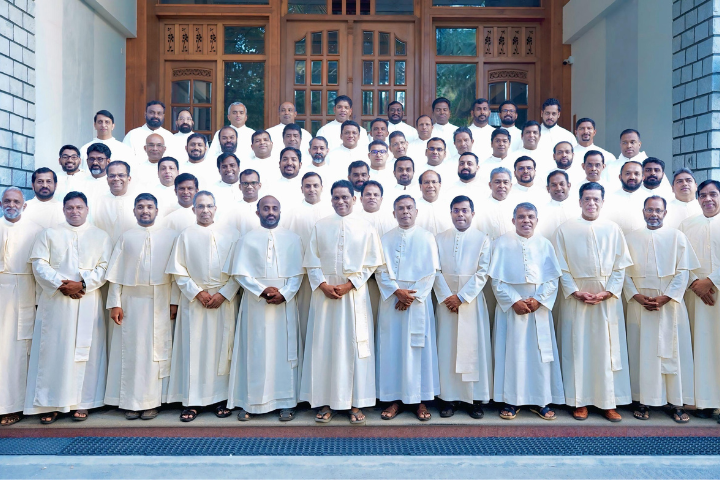
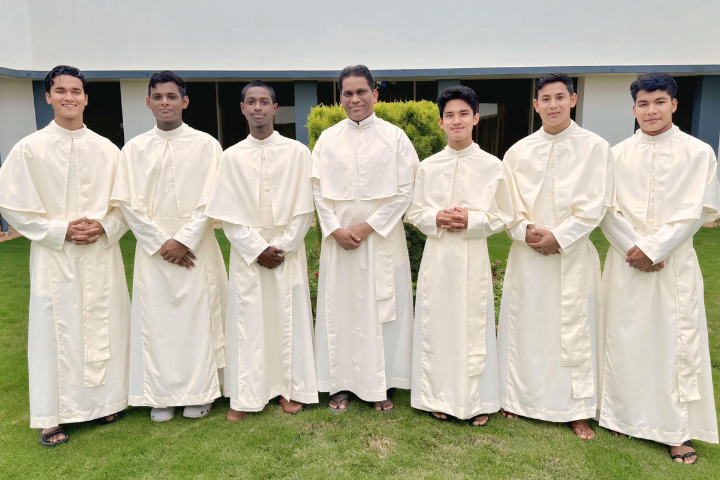
The Order of Canons Regular of Prémontré, often referred to as the Norbertines or Premonstratensians, is a religious order. We are also known as the White Canons due to our distinctive habit. Our Latin abbreviation is O.Praem.

The Norbertine order, officially known as the Order of Prémontré(O.Praem) was founded by Saint Norbert of Xanten in 1120.

Born in the Rhineland region of modern-day Germany, Norbert experienced a transformative conversion that led him to embrace a life of poverty, community, and preaching. He established the order at Prémontré, near Laon, France, with the goal of combining the contemplative life with active ministry.

The Norbertines follow the Rule of St. Augustine and initially focused on a monastic lifestyle, emphasizing communal living, prayer, and study. They were dedicated to the liturgy, engaging in daily Mass and the Divine Office. Their commitment to education and pastoral care quickly led to the establishment of numerous abbeys and priories throughout Europe. The order gained papal approval from Pope Eugene III in 1143, which facilitated its growth across France, Germany, and beyond. By the 13th century, the Norbertines were influential in the ecclesiastical and social spheres, often being involved in the education of clergy and the founding of schools. During the Reformation, the order faced challenges, leading to a decline in some regions. However, it experienced revitalization in the 17th century, particularly in Bohemia and Austria, where they became known for their pastoral work and commitment to reforming ecclesiastical life.  
 
Today, Norbertine communities exist worldwide, engaging in various ministries including education, liturgical services, and social outreach. The order remains dedicated to its original principles of prayer, community life, and service, continuing to adapt while maintaining its historical roots.

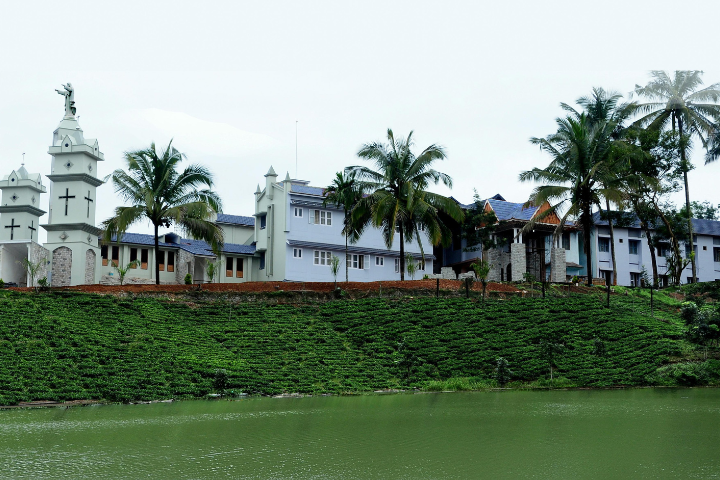
Canonry of Mananthavady

It was in the year 1978, under the initiative of Abbot Wolf Gang Bohm the Norbertines of the Stift Tepl in Villingen came to Mananthavady with the help of Bishop Mar Jacob Thoomkuzhy, then bishop of Mananthavady. The new community in Mananthavady sprouted and grew rapidly under the care and concern of Abbot Böhm.

The good will and concern of bishop Thoomkuzhy have significantly contributed o the growth of Mananthavady Norbertines. However, as the numbers of German confreres were decreasing substantially, the only solution was to send confreres from India to Abbey in 1986. Furthermore, the community in Germany was later shifted to Obermedlingen in 1986 and was officially received into the diocese of Augsburg in 1987.
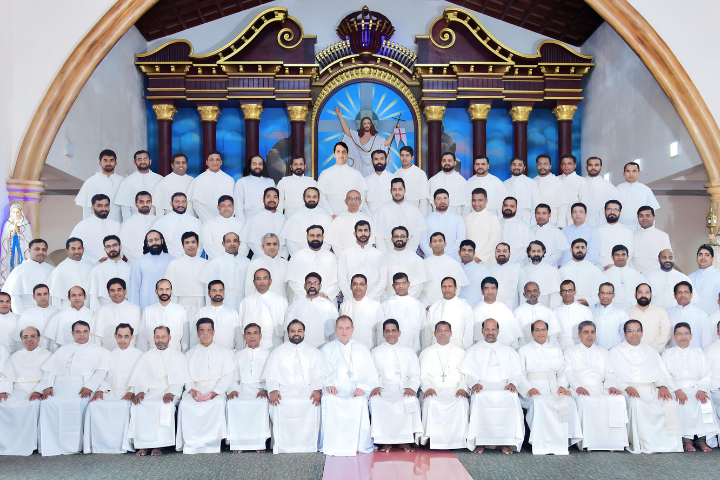
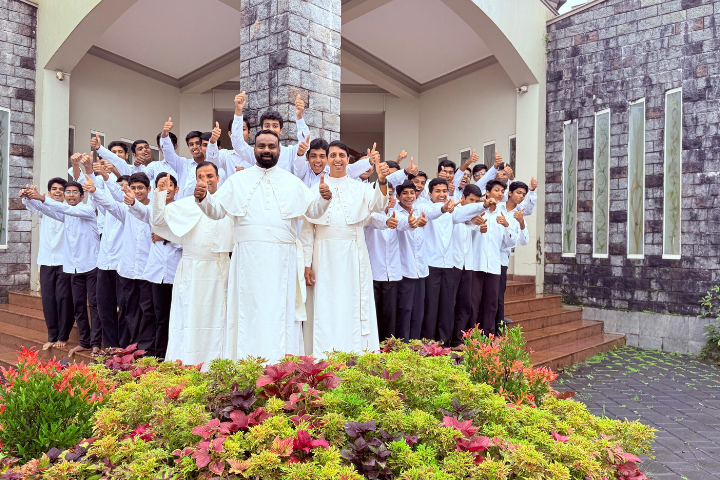
Gradually the confreres got involved in many pastoral activities in and around Augsburg. But the sudden demise of Abbot Böhm on 13th April 1988 left the community in panic, and helplessness.The first batch of three priests were ordained priests in the year1990. Fr. Norbert Schlegal was elected as the prelate and later Fr. Gilbert Rudolf Vogt was elected Abbot of Obermedlingen in 1991. Fr. Francis Allumpuram was appointed as the first Prior in 1992, succeeded by Fr. Jose Anthanattu in 1996 and Fr. Norbert in 2000. After the resignation of Abbot Gilbert Rudolf Vogt in the year 1995, Fr. Gottfried Menne from the abbey of Hamborn was appointed administrator of the Cannonry and was later succeeded by Fr. Roman Vanasse of DePere. Fr. John Nelluvelil was appointed first indigenous Administrator of the Canonry in 2001. The new foundation at Mananthavady was officially recognized as an autonomous Canonry of the Order on 20th November 2007. Consequently, Rev. Fr. Alois Jose Anthanatt was elected the first Prelate of the Canonry and was later succeeded by Fr.Vincent Mattammel on 10th October 2013. Today the Canonry has 71 final professed members, 26 juniors, 14 novices and 56 candidates in minor seminary.

Praying With You, Praying For You!

United in Prayer

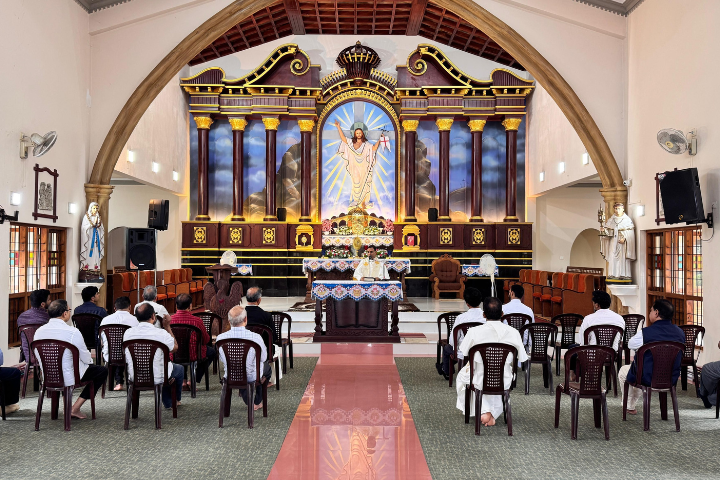
Prayer is the heart of our Norbertine life. Rooted in the Eucharist, we lift up the needs of the Church and the world every day.